Rules
Part of Omnichannel marketing planning: a continuity framework
9 things to weigh up on omnichannel marketing tools
Omnichannel marketing tools in 2027 should be compared on use-case fit, identity, preferences, channels, accessibility, permissions, cost, recovery, and exit.
What to take away
- Shortlist by taskAdobe Journey Optimizer, Braze, Salesforce Marketing Cloud Engagement, Klaviyo. Each wins in a different buying situation.
- Rank the nine things to weigh up as billing basis, identity and shared state, channel coverage, permissioning, data ownership and exit, implementation effort, observability, admin load, support.
- Cost is the criterion most buyers leave blank. Get the billing basis in writing before the pilot.
- One worked scenario, such as a guest who becomes known, separates finalists faster than any feature review.
Four tools come up most often when US and Canadian teams compare omnichannel platforms. None wins every category. Adobe Journey Optimizer suits organisations already inside Adobe Experience Platform. Braze suits mobile-first brands. Salesforce Marketing Cloud Engagement suits teams whose customer record lives in Sales or Service Cloud. Klaviyo suits ecommerce brands that want speed.
Vendor pages describe capability, not fit. Weigh them the way Reading omnichannel marketing with a sceptical eye suggests, because a feature list cannot show whether one customer resolves across store, app and call centre.
How the four tools separate
Strongest fit
- Adobe Journey Optimizer
- Enterprise teams on Adobe Experience Platform
- Braze
- Mobile-first brands running several channels
- Salesforce Marketing Cloud Engagement
- Teams where Sales or Service Cloud holds the record
- Klaviyo
- Ecommerce brands wanting fast time to value
Structural weak spot
- Adobe Journey Optimizer
- Platform dependency, heavy implementation
- Braze
- Thinner native CRM and service data
- Salesforce Marketing Cloud Engagement
- Edition gating, credit consumption
- Klaviyo
- Complex enterprise identity, fewer offline channels
Pricing basis
- Adobe Journey Optimizer
- Annual quote, volume bands
- Braze
- Annual quote, monthly active users
- Salesforce Marketing Cloud Engagement
- Edition plus credits, annual quote
- Klaviyo
- Published tiered self-serve pricing
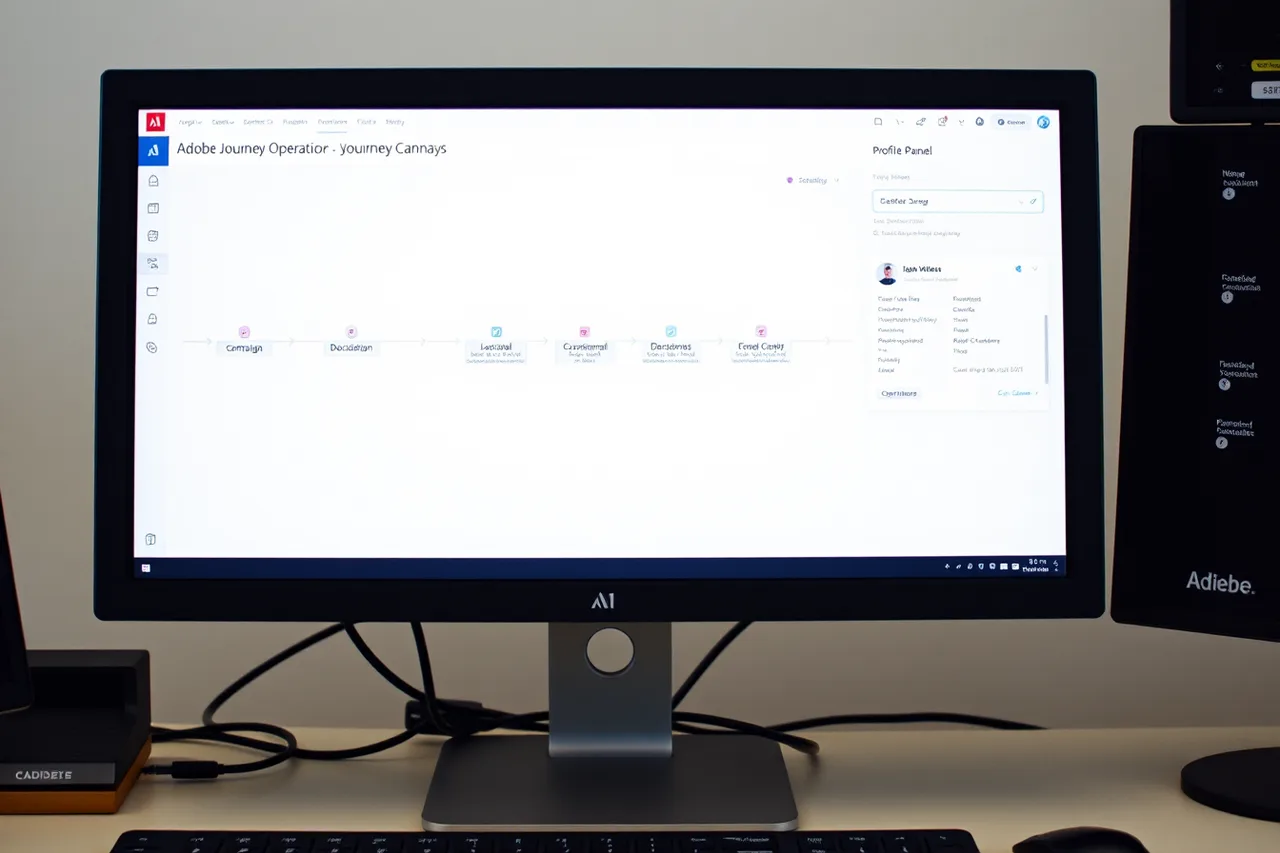
Adobe's strength is real-time decisioning inside a stack you may already license. Its cost is architectural, because Journey Optimizer assumes Experience Platform services, and that dependency drives both timeline and spend.
[figure 1]
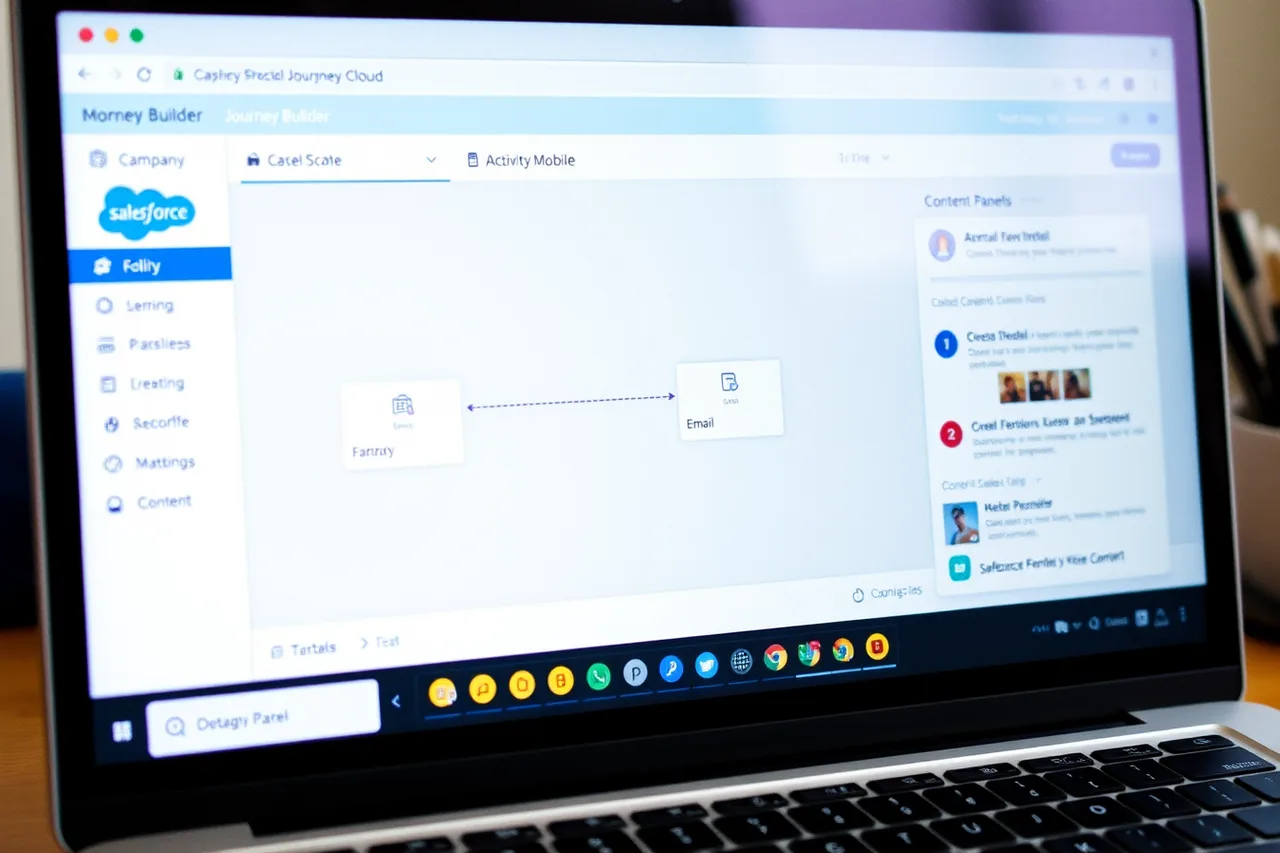
Salesforce's strength is proximity to sales and service data. The trade-off is administration: edition gating and credit consumption mean you plan message volume before you plan campaigns.
[figure 2]
Braze leans on cross-channel timing and experimentation. It carries less native CRM depth, so many teams keep a second system for service history.
Klaviyo gets an ecommerce team live in weeks. It struggles where identity spans retail, wholesale and service, or where offline channels carry weight.
The nine criteria, ranked
- Billing basis and three-year total cost.
- Identity resolution and shared customer state.
- Channel coverage, including offline and service handoffs.
- Permissioning by purpose, not by channel.
- Data ownership, portability and exit.
- Implementation and integration effort.
- Observabilitylogs, replay and alerting.
- Administrative load and training.
- Support model and incident notice.
Ranking is a starting position. A regulated brand moves data ownership and exit higher. A retailer moves identity and channel coverage up. Score each finalist in the same order, and define the customer state first with omnichannel marketing best practices.
The GOV.UK technology selection guidance asks buyers to weigh ownership cost, data control and adaptability. It is written for UK public services, yet those questions transfer to a US or Canadian buyer.
What these tools cost
Klaviyo publishes tiered self-serve pricing billed on active profiles. Adobe, Braze and Salesforce quote annually, usually on volume bands, and Salesforce also bills message volume against credits.
Indicative range, not a quote: mid-market contracts across these tools commonly land between USD 25,000 and USD 150,000 a year. Enterprise suites with a platform or multi-cloud dependency run well above that.
Ask for three figures: subscription, overage rates and renewal uplift. Implementation is often the larger line and needs its own quote.
Example: a guest becomes known
Example. A shopper checks out as a guest, then signs into the app with the same email. Pass: the profiles merge, the guest order stays attached, and the queued abandoned-cart message is cancelled. Fail: two profiles persist, the cart message fires, and the customer is offered a discount on an order already placed.
Run that test on every finalist and record the result. It exposes the common omnichannel marketing mistakes that break a channel promise, which is why it belongs in the pilot rather than a review meeting.
The contract checklist to settle once
Verify once, in writing, not vendor by vendor:
The contract checklist
- Entitlements and edition limits.
- Identity model and shared-state definitions.
- Permissioning by purpose and consent propagation.
- Data ownership, export formats and deletion evidence.
- Billing basis, overage rates and renewal uplift.
- Exitportability, notice period and transition support.
Consent and deletion are legal questions too. The FTC CAN-SPAM compliance guide sets the baseline for commercial email. The California Attorney General's CCPA page explains the access and deletion rights your platform must satisfy.
Work through the omnichannel marketing checklist in order before signing, because the items people skip are the ones that surface at renewal.